INNOVATION
Plasma Sparks Fresh Thinking on Oilfield Water
Researchers in the Middle East test plasma to turn oilfield waste into reusable water with fewer chemicals and lower costs
17 Dec 2025
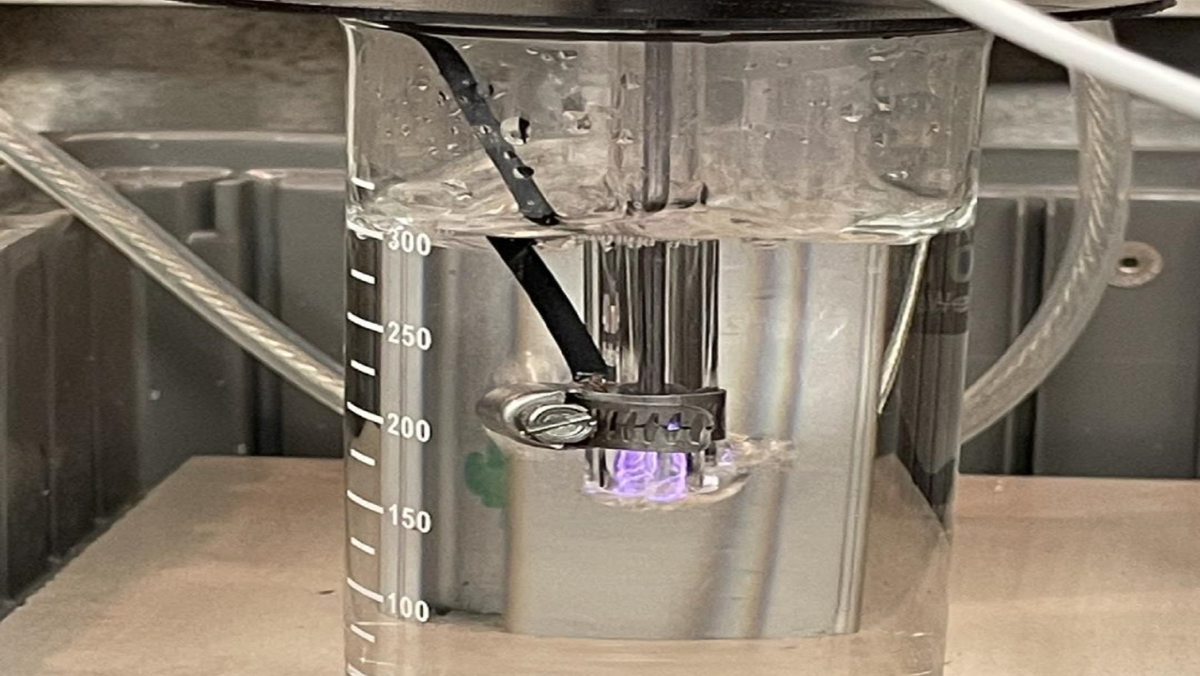
A shift is emerging in the oil and gas sector’s approach to produced water, as plasma-based treatment moves from academic study towards potential field evaluation in the Middle East.
Produced water, a byproduct of hydrocarbon production, has traditionally been managed as a cost and disposal challenge. Operators in the region have relied on injection wells, chemical treatment, membranes and, in some cases, zero liquid discharge systems. Plasma technology is now being examined as a possible addition to these approaches, though it remains at an early stage of development.
Recent research and demonstration studies have prompted interest in how plasma treatment could fit into existing water management systems. The process uses controlled electrical energy to break down oil residues and other contaminants within the water stream, potentially simplifying treatment before conventional technologies are applied.
Commercial deployment is still limited. However, industry observers say the research reflects a broader reassessment of produced water strategy across the Middle East. Water scarcity, rising production volumes and tighter environmental expectations are pushing operators to look beyond disposal and consider long-term reuse.
Rather than replacing established infrastructure, plasma treatment is being studied as a complementary step. Engineers point to its potential to reduce chemical use and limit fouling and scaling in downstream equipment. If validated at scale, this could improve the performance and reliability of membranes and thermal systems, while lowering operating costs.
So far, progress has been driven mainly by research partnerships, pilot evaluations and technical exchanges through industry bodies such as the Society of Petroleum Engineers. These efforts have focused on defining power requirements, integration challenges and operating limits. Analysts note that no major commercial rollouts or acquisitions have been announced.
Significant hurdles remain, including the need for long-term performance data, proof of energy efficiency, regulatory acceptance and compatibility with existing facilities. These factors will determine whether plasma treatment moves beyond research and demonstration.
Even so, interest is building. For some producers, plasma technology represents a wider change in perspective, suggesting that produced water may gradually be viewed less as a liability and more as a resource, if new tools can deliver alongside established treatment methods.
Latest News
17 Dec 2025
Plasma Sparks Fresh Thinking on Oilfield Water16 Dec 2025
Jubail’s $500 Million Water Pact Redefines Industrial Sustainability15 Dec 2025
Saudi Arabia’s Water Gamble Goes Small to Win Big15 Dec 2025
Saudi Arabia’s Water Gamble Goes Small to Win Big
Related News
INNOVATION
17 Dec 2025
Plasma Sparks Fresh Thinking on Oilfield Water
PARTNERSHIPS
16 Dec 2025
Jubail’s $500 Million Water Pact Redefines Industrial Sustainability

INVESTMENT
15 Dec 2025
Saudi Arabia’s Water Gamble Goes Small to Win Big
SUBSCRIBE FOR UPDATES
By submitting, you agree to receive email communications from the event organizers, including upcoming promotions and discounted tickets, news, and access to related events.