REGULATORY
What UAE’s Water Rules Mean for Oilfield Operators
New UAE rules boost water oversight, signaling rising pressure on oil and gas operators to manage produced water responsibly
18 Dec 2025

New water quality regulations in Abu Dhabi are sharpening scrutiny of how water is managed across the energy sector, even though the rules do not directly target oil and gas operations.
The UAE’s Water Quality Regulations 2025, which came into force on January 1, were issued by the Abu Dhabi Department of Energy to update standards for water quality parameters, sampling, monitoring and reporting. Public guidance shows the measures are primarily aimed at drinking water and general water safety, aligning the emirate with international public health and environmental benchmarks.
However, the wider implications extend beyond municipal supply. Any licensed activity that handles water within the energy value chain now operates under a framework that places greater emphasis on transparency, documentation and compliance. For oil and gas producers, this context is increasingly relevant.
Produced water, the largest byproduct of oil and gas production, has traditionally been treated as a technical and cost issue rather than a visible environmental concern. That approach is coming under pressure. Across the Middle East, water scarcity, environmental constraints and rising investor scrutiny are prompting operators to reassess how produced water is treated, reused or disposed of, even in the absence of rules explicitly governing it.
While the UAE regulations focus on public water systems, they reinforce this broader direction. By raising expectations around water governance and reporting, they strengthen the case for more consistent monitoring and more reliable treatment wherever water intersects with energy operations.
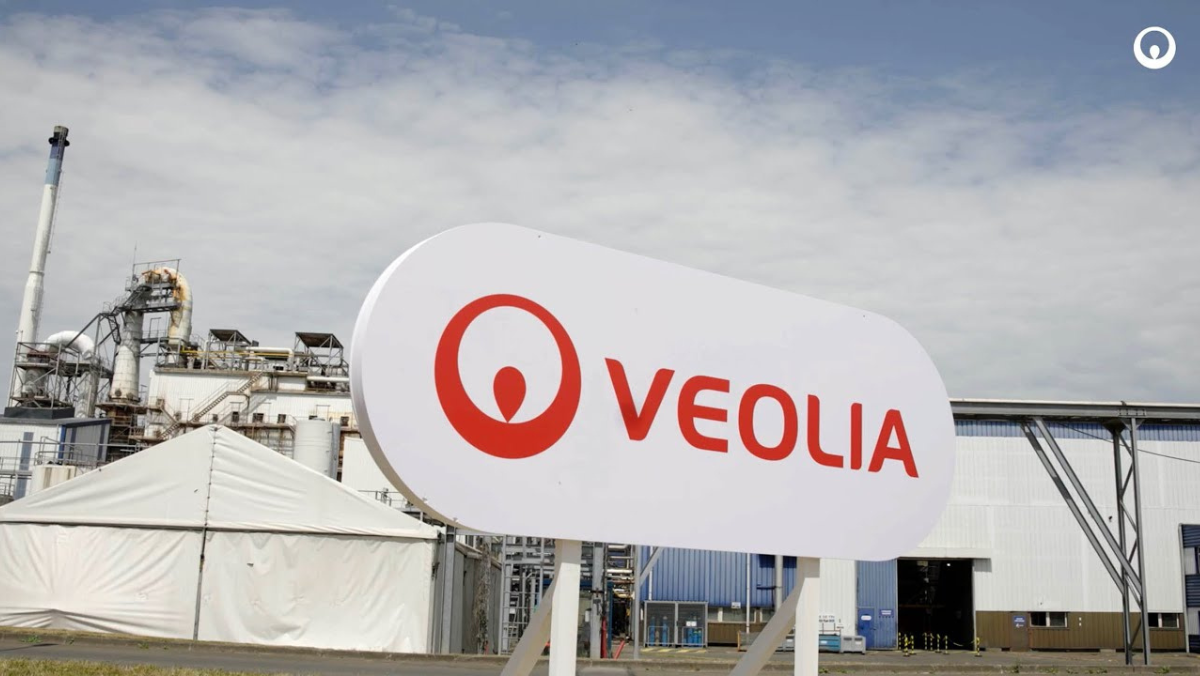
Industry responses suggest this shift is already under way. Abu Dhabi National Oil Company has increased its emphasis on sustainability and water efficiency in public disclosures, while international technology groups such as Veolia are promoting advanced treatment and reuse systems as tools to reduce environmental risk and improve operational resilience. For companies operating across several jurisdictions, Abu Dhabi’s framework may also signal where future regional standards could converge.
Significant challenges remain. Produced water quality varies widely by field, and large-scale upgrades require time and capital. But the policy signal is becoming clearer.
Although the 2025 regulations do not address produced water directly, they sit within a wider regulatory and market environment that is elevating water management across the energy sector. Companies that adapt early may be better placed as water security becomes an increasingly strategic issue in the region.
Latest News
18 Dec 2025
What UAE’s Water Rules Mean for Oilfield Operators17 Dec 2025
Plasma Sparks Fresh Thinking on Oilfield Water16 Dec 2025
Jubail’s $500 Million Water Pact Redefines Industrial Sustainability15 Dec 2025
Saudi Arabia’s Water Gamble Goes Small to Win Big
Related News
REGULATORY
18 Dec 2025
What UAE’s Water Rules Mean for Oilfield Operators

INNOVATION
17 Dec 2025
Plasma Sparks Fresh Thinking on Oilfield Water
PARTNERSHIPS
16 Dec 2025
Jubail’s $500 Million Water Pact Redefines Industrial Sustainability
SUBSCRIBE FOR UPDATES
By submitting, you agree to receive email communications from the event organizers, including upcoming promotions and discounted tickets, news, and access to related events.